Professional Mold Remediation Services: Safeguard Your Wellbeing and Property
Mold can seep into homes silently, presenting significant health dangers and weakening structural strength. Many homeowners discount the worth of certified mold removal experts. These professionals not only pinpoint concealed mold but also apply successful techniques to eradicate it. Knowing the indicators of mold growth and the likely effects is critical for maintaining a healthy home atmosphere. Examining the aspects of mold remediation could bring to light key details for defending one's property and wellness.
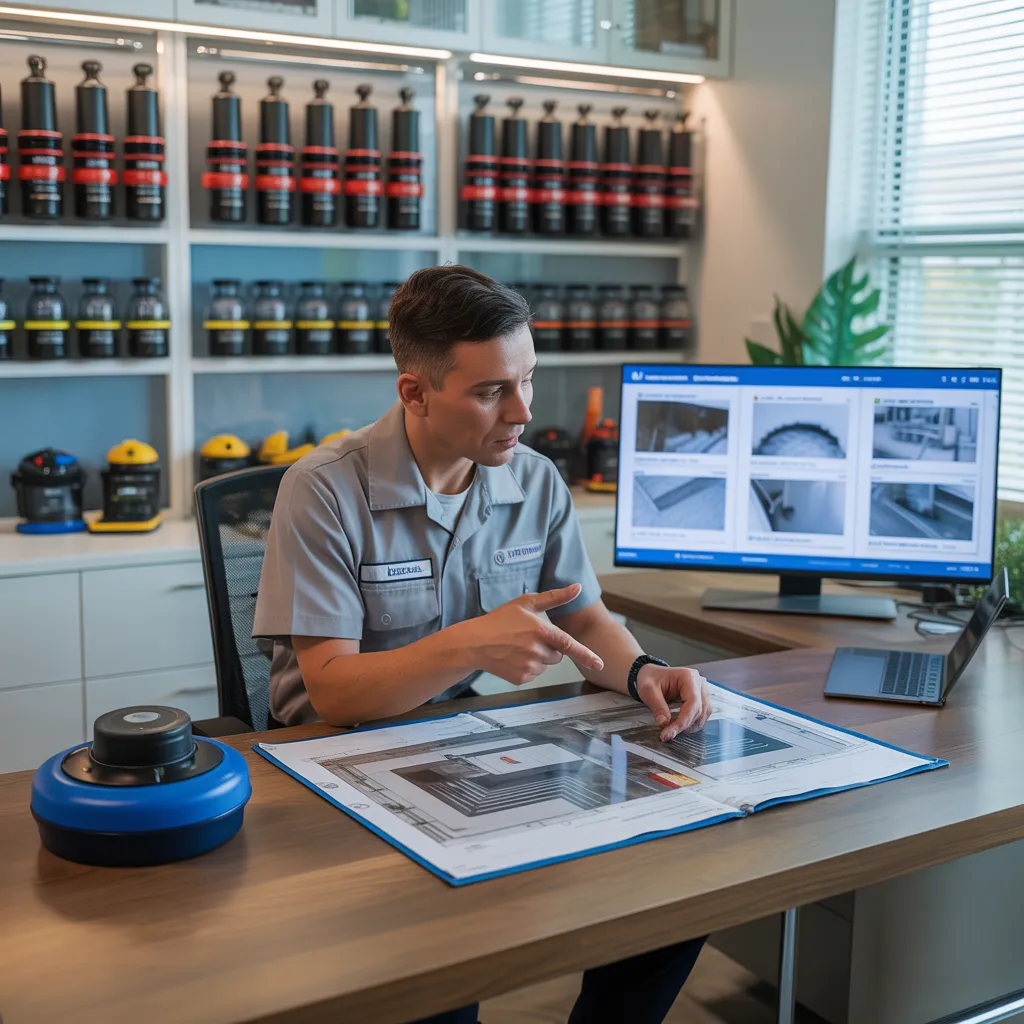
Signs You Need Professional Mold Solutions
How can one assess if mold has become a significant problem in their home? Signs often include visible mold growth on walls, ceilings, or other surfaces. A musty odor may fill the air, indicating hidden mold behind walls or under flooring. Frequent water leaks or high humidity levels can also indicate potential mold problems. Homeowners should be alert for symptoms such as persistent allergies or respiratory issues among family members, which may indicate mold exposure. Additionally, dark spots or discoloration in areas prone to moisture, like bathrooms or basements, require immediate attention. If mold is extensive or covers more than ten square feet, it is advisable to seek professional mold remediation services. Ignoring these signs can lead to more significant issues, making early detection essential for maintaining a safe living environment. Timely intervention can prevent further contamination and protect the home from potential damage.
Health Hazards and Structural Damage Resulted by Mold
Mold carries significant health risks, especially for individuals with breathing disorders or weakened immunity. In addition to health worries, mold can severely compromise the structural soundness of buildings, resulting in expensive repairs. Understanding these implications is critical for effective mold removal.
The Medical Consequences of Mold
When mold colonizes a home, it can have considerable health consequences and produce structural damage. Mold spores, when inhaled, can initiate allergic responses, breathing issues, and worsen asthma symptoms. Individuals with weakened immune systems or underlying health conditions are especially vulnerable, experiencing symptoms such as headaches, fatigue, and skin irritation. Sustained exposure may result in more critical health complications, including chronic respiratory diseases. Furthermore, mold can release mycotoxins, which have been linked to neurological and other systemic effects. It is essential for homeowners to spot these risks and manage mold problems promptly, ensuring a more secure living environment for all occupants. Ignoring mold issues can cause a decrease in overall well-being and quality of life.
Structural Integrity Issue
Unchecked microbial growth can drastically diminish a home's building framework. Mold thrives in moist environments, breaking down organic matter such as wood, drywall, and insulation. Over time, this wear can result in compromised beams, drooping ceilings, and compromised walls, creating significant safety risks. The presence of mold often points to moisture problems, which, if ignored, may bring about further structural damage. Homeowners may incur costly repairs and renovations if the issue worsens. Also, mold can release spores into the air, intensifying health difficulties for occupants. Securing professional mold remediation services is crucial not only to restore a safe living environment but also to preserve the building integrity of the property, ensuring long-term protection against future mold infestations.

How Do Mold Abatement Specialists Work?
Mold remediation experts follow a structured approach to efficiently tackle mold issues. First, they perform a comprehensive assessment to determine the scope of the problem, then utilizing containment and removal techniques. Finally, post-remediation verification processes ensure that the area is safe and free from mold spores.
Preliminary Review System
Experts in mold remediation initiate the process with a detailed initial assessment to identify the extent and source of the problem. During this phase, they conduct visual inspections, looking for signs of mold growth, water damage, and moisture sources. Utilizing specialized tools, such as moisture meters and thermal imaging cameras, they evaluate hidden areas prone to mold infestations. The assessment also involves air quality testing to determine the presence of mold spores. Experts often consult with property owners to gather information about past water incidents or humidity issues. This thorough evaluation allows them to develop an effective remediation plan tailored to the specific conditions of the property, ensuring a targeted approach to mold removal and prevention.
Containment and Extraction Techniques
space is secure for all people nearby
Post-Treatment Assessment Processes
Achieving successful mold remediation requires a series of critical post-remediation assessment steps. Following the removal process, mold removal professionals perform detailed inspections to determine the effectiveness of their work. This includes visual assessments and moisture level tests in damaged areas. Indoor air testing is also executed to identify any leftover mold spores, ensuring that air quality has returned to safe levels. Experts may employ technical equipment, such as thermal imaging cameras, to detect hidden moisture. Once all full details testing is complete, they compile a detailed report detailing findings and any necessary follow-up actions. This verification process not only establishes the success of remediation efforts but also provides homeowners with peace of mind regarding their indoor environment's well-being and health.
Benefits of Engaging Mold Specialists
When grappling with a mold crisis, hiring experts can markedly lessen health risks and structural harm. Mold consultants maintain the expertise demanded to identify the source of the infestation and measure its breadth. Their background enables them to implement advanced tools and professional techniques that are often beyond reach to average homeowners, confirming successful removal and prevention of recurrence.
In addition, experienced contractors present a logical approach to mold remediation, which features thorough assessments, control strategies, and responsible removal of affected materials. This reduces the risk of spores spreading to clean areas. Moreover, skilled professionals maintain professional standards and guidelines, guaranteeing confidence that remediation efforts are implemented safely and effectively.
What to Know During the Mold Treatment Stages
During the mold restoration procedure, residents can prepare for a rigorous and structured method to addressing the issue. At the outset, contractors conduct a comprehensive evaluation to identify the breadth of the mold infestation and any underlying moisture problems. This evaluation establishes the treatment plan tailored to the distinct need.
Next, the zone is isolated to avoid mold spores from traveling, often using plastic sheeting and negative air pressure systems. Following containment, technicians safely eliminate contaminated materials, such as drywall or insulation, and utilize specialized cleaning solutions to sterilize surfaces.
Air quality testing may also be executed to establish that mold spores are effectively eliminated. Once remediation is complete, professionals may advise repairs and restoration to return the space to its original condition. Homeowners should prepare for clear communication throughout the process, guaranteeing they understand each step taken to protect their health and restore their home.
Recommendations for Stopping Future Fungal Buildup
After finishing the mold mitigation effort, homeowners can take preventive measures to avoid future mold growth. First, keeping low indoor humidity levels is essential; using dehumidifiers in damp areas helps keep moisture at bay. Regularly checking and fixing any leaks in roofs, plumbing, or walls will also reduce water accumulation, a key factor in mold development.
Additionally, residents must confirm adequate ventilation in attics, basements, and bathrooms. Opening windows and activating exhaust fans can significantly lessen moisture. It is prudent to clean and maintain gutters periodically to prevent water overflow.
Also, opting for mold-resistant items for drywall and paint can provide an additional layer of protection. To sum up, homeowners should consider engaging in periodic mold evaluations, as early detection is vital for effective oversight. Through these strategies, individuals can create a healthier living environment and greatly reduce the risk of mold return.
Frequently Requested Questions
What Are the Typical Price of Expert Mold Remediation Solutions?
Mold removal services offered by professionals usually fall between $500 to $6,000, influenced by the severity of the contamination, the scope of the affected area, and the particular approaches utilized by the remediation company.
Will My Insurance Pay For Mold Removal Expenses?
Insurance protection for mold removal varies considerably across policies. Some homeowners' insurance plans could pay for mold-related costs when damage was caused by a covered peril, but others omit mold entirely. Examining the particular policy is critical.
What duration Should You Expect for Mold Remediation?
The mold remediation procedure generally spans between one and five days, determined by the extent of mold presence and the area size that is affected, plus the specific approaches implemented for removal.
May I remain in My Home during the remediation process Occurs?
Being in your house during mold remediation is normally inadvisable. Specialists often advise departing from the property to protect safety, lower spore inhalation, and facilitate effective treatment of the troubled zones without hindrance.
Which Licenses Should I Find in Mold Remediation Professionals?
When pursuing mold remediation professionals, one should locate certifications such as IICRC, NORMI, or ACAC. These certifications signal specialized training and compliance with industry standards for safe and effective mold removal practices.